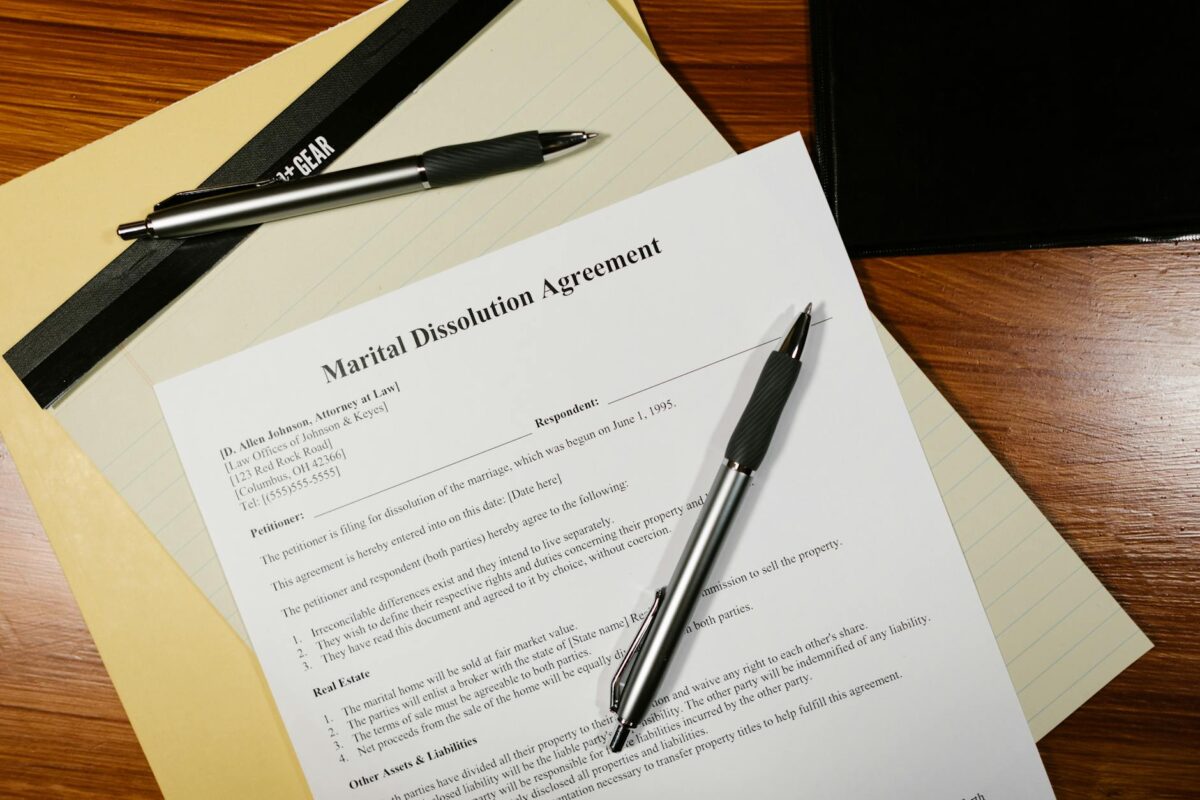
How to file for divorce is one of the most common legal questions in America. Nearly 700,000 couples dissolve their marriages each year. The process can feel overwhelming. However, understanding the basic steps makes it far more manageable. Every state has its own rules, timelines, and required forms.
Some states finalize divorces in weeks. Others require waiting periods of six months or longer. This guide walks you through the entire process from start to finish. You will learn what documents to prepare, how to serve your spouse, and what to expect in court. Whether your divorce is simple or complex, knowing the procedure helps you move forward with confidence.
What You Need to Know About How to File for Divorce
Before you begin, understand two critical concepts. First, every state now offers no-fault divorce. This means you do not need to prove wrongdoing. You simply state that the marriage is irretrievably broken. In most cases, this is the fastest path to dissolution. Second, you must meet your state’s residency requirement before filing. Failing to meet residency is the most common reason courts reject petitions.
Residency requirements vary significantly. California requires six months in the state plus three months in your county. Texas requires six months of state residency and 90 days in the county. Nevada has the shortest requirement at just six weeks. New York has five different residency pathways depending on where you married and where the grounds arose. Illinois requires only 90 days. For example, if you recently moved to a new state, you may need to wait before you can file there.
You should also understand the difference between contested and uncontested divorce. An uncontested divorce means both spouses agree on all terms. A contested divorce means you disagree on at least one major issue. Property division, child custody, and spousal support are the most common disputes. Uncontested cases typically resolve in weeks to months. Contested cases can take one to two years or longer.
Step-by-Step: How to File for Divorce
Learning how to file for divorce requires following these numbered steps. Each state uses slightly different forms, but the overall process is similar nationwide.
- Confirm you meet residency requirements. Check your state’s specific rules before filing.
- Gather financial documents. Collect tax returns, bank statements, property deeds, and debt records.
- Complete the Petition for Dissolution of Marriage. This is the official document that starts your case.
- File the petition with your local court clerk. Pay the required filing fee at this time.
- Serve your spouse. Deliver copies of all filed documents through a legally approved method.
- File Proof of Service with the court. The case cannot proceed without this document.
- Wait for your spouse’s response. They typically have 20 to 30 days to file an Answer.
- Negotiate a settlement or prepare for trial. Exchange financial disclosures and attempt mediation.
- Attend your final hearing. The judge reviews your agreement or makes rulings on disputed issues.
- Receive your Final Decree of Divorce. Your marriage is officially dissolved.
| State | Residency Requirement | Mandatory Waiting Period | Response Deadline |
|---|---|---|---|
| California | 6 months state + 3 months county | 6 months + 1 day | 30 days |
| Texas | 6 months state + 90 days county | 60 days | 20 days + Monday |
| Florida | 6 months in state | 20 days | 20 days |
| New York | 1-2 years (varies by pathway) | None (no-fault) | 20-30 days |
| Nevada | 6 weeks | None | 21 days |
| Illinois | 90 days | None (uncontested) | 30 days |
| Washington | No minimum (must be resident) | 90 days | 20 days |
As a result of these differences, your total timeline depends heavily on where you live. California has the longest mandatory wait at six months and one day. No exceptions exist. In contrast, Nevada and Illinois allow finalization much sooner for uncontested cases.
How to File for Divorce in Different States
Understanding how to file for divorce requires knowing your state’s specific rules. All 50 states offer no-fault divorce. However, 33 states still allow fault-based grounds such as adultery, cruelty, or abandonment. Typically, filing no-fault is faster and less expensive. Fault-based filings may affect property division or alimony in some jurisdictions.
California introduced a joint petition option effective January 1, 2026. Both spouses can now file together under SB 1427. This eliminates the need for formal service. It significantly streamlines the process for couples who already agree on terms. New York reduced its separation period from one year to six months in 2025 under Chapter 673. North Carolina currently requires a full year of separation before filing, though proposed legislation (S.B. 626) would reduce this to six months.
Service of process also varies. In most cases, a process server or sheriff delivers papers in person. Texas now allows service by email, text, or social media if shown to be reasonably effective. Illinois permits electronic service when traditional methods are impractical. Some states allow certified mail for cooperative spouses. If you cannot locate your spouse, courts may permit service by publication in a local newspaper. The filing spouse can never serve the papers themselves.
Common Mistakes When Filing for Divorce
Many people make costly errors when learning how to file for divorce. The most common mistake is filing before meeting residency requirements. Courts will dismiss your case entirely. You must then refile and pay new fees. For example, if you moved to California four months ago, you must wait two more months before the court accepts your petition.
Another frequent error is improper service. Every state requires that your spouse receive official notice. Handing them papers yourself does not count. You must use a process server, sheriff, or other qualified third party over age 18. Without valid Proof of Service on file, your case stalls indefinitely. Additionally, many people fail to complete mandatory financial disclosures. Courts require full transparency about assets, debts, and income.
Failing to request temporary orders is another oversight. If you need immediate child custody arrangements or financial support during the divorce, you must ask the court for interim orders. Waiting until the final hearing can leave you without resources for months. Similarly, missing your state’s response deadline after being served can result in a default judgment against you. Typically, you have only 20 to 30 days to respond.
When to Hire an Attorney
Not every divorce requires an attorney. If you and your spouse agree on all terms, have no minor children, and own minimal property, self-representation may work. Many state courts provide free self-help forms and instructions. However, the process becomes significantly more complex when disputes exist.
⚖️ Get Free Divorce Guides
Free · No spam · Unsubscribe anytime
You should strongly consider hiring a licensed family law attorney if your case involves child custody disagreements, substantial assets or debts, business ownership, retirement accounts, or domestic violence. An attorney protects your rights during discovery and negotiation. They ensure you receive fair property division. In contested cases, legal representation can mean the difference between a favorable outcome and losing significant assets.
Costs vary widely by state and case complexity. Filing fees alone range from under $100 to over $400 depending on your jurisdiction. Attorney fees vary based on your location, case complexity, and whether the divorce is contested. Many attorneys offer free initial consultations. Some states provide fee waivers for low-income filers. We strongly recommend consulting a licensed family law attorney in your state before making major decisions about how to file for divorce.
Frequently Asked Questions About How to File for Divorce
How long does it take to finalize a divorce?
Timelines vary dramatically by state and case type. An uncontested divorce in Nevada or Illinois can finalize in weeks. California requires a minimum of six months and one day regardless of circumstances. Contested cases in any state can take one to two years or longer.
Can I file for divorce without my spouse’s agreement?
Yes. You do not need your spouse’s permission or cooperation to file. Every state allows one spouse to initiate divorce unilaterally. If your spouse refuses to respond after proper service, the court can enter a default judgment in your favor.
What is the difference between no-fault and fault-based divorce?
No-fault divorce requires only that you state the marriage is irretrievably broken. Fault-based grounds include adultery, cruelty, abandonment, or imprisonment. While all 50 states offer no-fault options, 33 states still permit fault-based filings. Filing on fault grounds may influence alimony or property division in some states.
Do I need to be separated before I can file?
This depends entirely on your state. North Carolina currently requires one year of separation. Virginia requires six months with an agreement and no children, or one year otherwise. However, most states including California, Texas, Florida, and Illinois do not require a formal separation period before you file. Check your state’s specific requirements before beginning the process of how to file for divorce.
Get Help with Your Divorce
Divorce laws vary dramatically from state to state. A licensed family law attorney in your state can review your situation and explain your rights and options.
Official Sources & Resources
For verified family law information and legal help:
- State Court Self-Help: Search “[your state] court self-help” for free filing guides and forms
- NCSL Family Law: ncsl.org/family-and-human-services
- Child Support Enforcement: acf.hhs.gov/css
- Cornell Legal Information: law.cornell.edu/wex/family_law
- Find Legal Aid: lawhelp.org
Content last reviewed May 2026. This is general educational information, not legal advice. If you notice outdated information, please contact us.