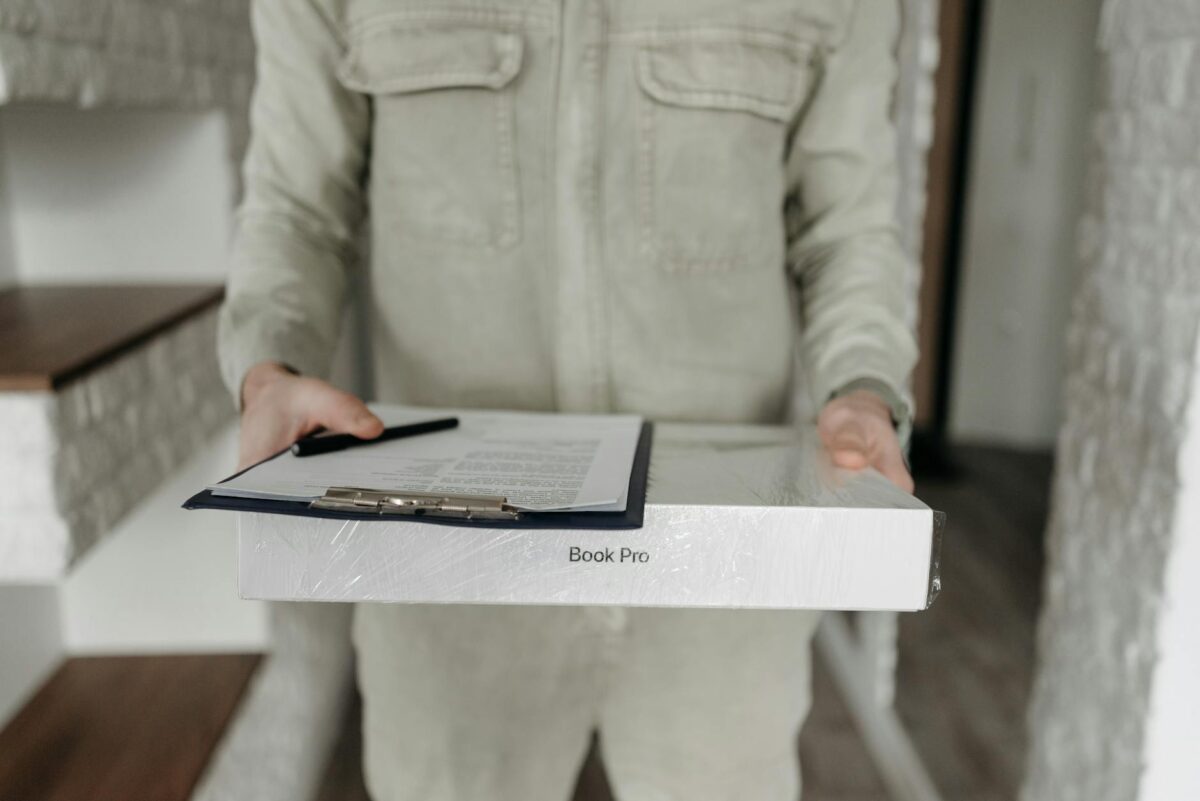
How to serve divorce papers is one of the most critical steps in any divorce case. Service of process is the legal method of delivering court documents to your spouse. Without proper service, a court cannot move forward with your divorce. This step ensures your spouse receives official notice of the proceedings.
Every state has its own rules about who can serve papers, what methods are acceptable, and how quickly service must happen. Getting service wrong can delay your case by weeks or even months. In this guide, you will learn the main methods of service, key state-by-state differences, common mistakes to avoid, and when you may need an attorney. Understanding how to serve divorce papers correctly from the start can save you significant time and frustration.
What You Need to Know About How To Serve Divorce Papers
Service of process is a constitutional requirement. It guarantees your spouse receives notice and an opportunity to respond. In most cases, the person who filed the divorce petition cannot personally hand the papers to their spouse. Instead, a third party must complete service. This third party is typically someone over 18 years old who is not involved in the case.
Understanding how to serve divorce papers begins with knowing what documents must be delivered. Typically, you must serve the divorce petition or complaint, a summons issued by the court, and any required financial disclosure forms. Some states also require blank response forms. Your local court clerk can confirm exactly which documents your state requires.
After service is complete, the server must file a proof of service or affidavit of service with the court. This sworn document confirms who was served, when, where, and how. Without this filing, the court has no official record that service occurred. As a result, your case cannot proceed.
Step-by-Step: How To Serve Divorce Papers
Follow these steps to properly serve divorce papers in most states:
1. File your divorce petition with the court clerk and obtain a stamped copy.
2. Receive the summons from the court.
3. Choose an acceptable service method allowed by your state.
4. Have a qualified third party deliver the documents to your spouse.
5. Obtain a signed proof of service or affidavit from the person who served the papers.
6. File the proof of service with the court clerk.
7. Wait for your spouse’s response within the state-mandated deadline.
The table below compares the five main service methods and when each one applies.
| Service Method | How It Works | When to Use | Court Approval Needed? |
|---|---|---|---|
| Personal Service | Server hands papers directly to spouse | Default method in most states | No |
| Certified Mail | Papers sent via mail with return receipt | When allowed by state law | Varies by state |
| Substituted Service | Papers left with responsible adult at spouse’s home or work | After failed personal service attempts | Yes |
| Service by Publication | Legal notice published in a court-approved newspaper | When spouse’s location is unknown | Yes |
| Waiver of Service | Spouse voluntarily signs acknowledgment of receipt | When spouse cooperates | No |
Personal service is the most reliable method. However, if your spouse avoids the process server, you may need to ask the court for alternative service. For example, substituted service typically requires at least three to four failed attempts at personal service before a judge will approve it.
How To Serve Divorce Papers in Different States
Learning how to serve divorce papers in your specific state is essential. Rules vary significantly across the country. Deadlines, acceptable methods, and response times all differ. Below are key requirements for five major states.
| State | Service Deadline | Response Deadline | Who Can Serve |
|---|---|---|---|
| California | 60 days after filing | 30 days after service | Any non-party adult 18+ |
| Texas | No fixed deadline | Monday after 20 days | Process server, sheriff, or non-party adult 18+ |
| New York | 120 days after filing | 20–30 days after service | Non-party adult 18+; sheriff or licensed process server |
| Florida | No fixed deadline | 20 days after service | Sheriff or certified process server only |
| Illinois | 30 days after filing | 30 days after service | Sheriff, process server, or waiver |
In California, you must serve your spouse within 60 days of filing. The respondent then has 30 days to file a response. California’s six-month waiting period does not begin until service is complete. In contrast, Texas has no fixed service deadline. However, Texas uses a unique response rule. The answer is due by 10:00 a.m. on the Monday following 20 days after service.
New York gives you 120 days to complete service. The person who serves must complete a notarized affidavit of service. Florida is stricter about who can serve. Only a sheriff or certified process server may deliver papers. In Illinois, service must happen within 30 days of filing. Typically, an Illinois sheriff charges approximately the cost of a filing fee for service in Cook County.
Common Mistakes When Trying To Serve Divorce Papers
Many people make costly errors when learning how to serve divorce papers. The most common mistake is attempting to serve the papers yourself. In nearly every state, the filing spouse cannot personally hand papers to the other party. Doing so invalidates the service entirely.
Another frequent error is using an unapproved service method. For example, emailing divorce papers to your spouse does not count as valid service in any state. Similarly, leaving papers in a mailbox or taping them to a door is not proper service. Some people also serve papers at the wrong address. If the person at the address is not your spouse, service has not occurred.
Documentation errors also cause problems. Misspelled names, wrong case numbers, or incomplete affidavits can invalidate service. As a result, you may need to start the process over. Always double-check every document before filing your proof of service. If you are unsure about how to serve divorce papers correctly, consult your local court’s self-help center or a licensed family law attorney.
⚖️ Get Free Divorce Guides
Free · No spam · Unsubscribe anytime
When to Hire an Attorney
You may be able to handle service yourself in a straightforward, uncontested divorce. Many state courts provide self-help resources and forms for service of process. However, certain situations require professional legal help.
Consider hiring a family law attorney if your spouse is avoiding service. An attorney can file motions for alternative service methods. You should also seek legal help if your spouse lives in another state or country. Interstate and international service follow complex rules under state long-arm statutes. Attorney fees for divorce cases vary widely by state and complexity.
If your case involves domestic violence, an attorney can help you serve papers while protecting your safety. In most cases, a protective order can be obtained alongside divorce filings. Additionally, if your spouse’s location is truly unknown, an attorney can guide you through the service by publication process. This requires proving you conducted a diligent search. Always consult a licensed family law attorney in your state for advice specific to your situation.
Frequently Asked Questions About How To Serve Divorce Papers
Can I serve divorce papers by text message or email?
No. In most cases, text messages and emails are not valid forms of service. Courts require formal methods such as personal service, certified mail, or court-approved alternatives. Some states are beginning to allow electronic service in limited circumstances, but only with prior court approval.
What happens if my spouse refuses to accept the papers?
If your spouse physically refuses to take the documents, the process server can typically leave them at the spouse’s feet. This usually counts as valid personal service in most states. The server will note the refusal in the affidavit of service. Your spouse cannot stop the divorce simply by refusing the papers.
How long does my spouse have to respond after being served?
Response deadlines vary by state. For example, California allows 30 days. Florida and Texas allow approximately 20 days. New York gives 20 to 30 days depending on the service method. If your spouse does not respond within the deadline, you may be able to request a default judgment from the court.
What is service by publication and when can I use it?
Service by publication means publishing a legal notice in a court-approved newspaper. You can only use it after proving you made a diligent effort to locate your spouse. This includes searching social media, public records, and contacting known associates. However, courts can grant only limited relief through service by publication. Typically, a judge cannot divide property or award support when the respondent was served this way.
Get Help with Your Divorce
Divorce laws vary dramatically from state to state. A licensed family law attorney in your state can review your situation and explain your rights and options.
Official Sources & Resources
For verified family law information and legal help:
- State Court Self-Help: Search “[your state] court self-help” for free filing guides and forms
- NCSL Family Law: ncsl.org/family-and-human-services
- Child Support Enforcement: acf.hhs.gov/css
- Cornell Legal Information: law.cornell.edu/wex/family_law
- Find Legal Aid: lawhelp.org
Content last reviewed May 2026. This is general educational information, not legal advice. If you notice outdated information, please contact us.