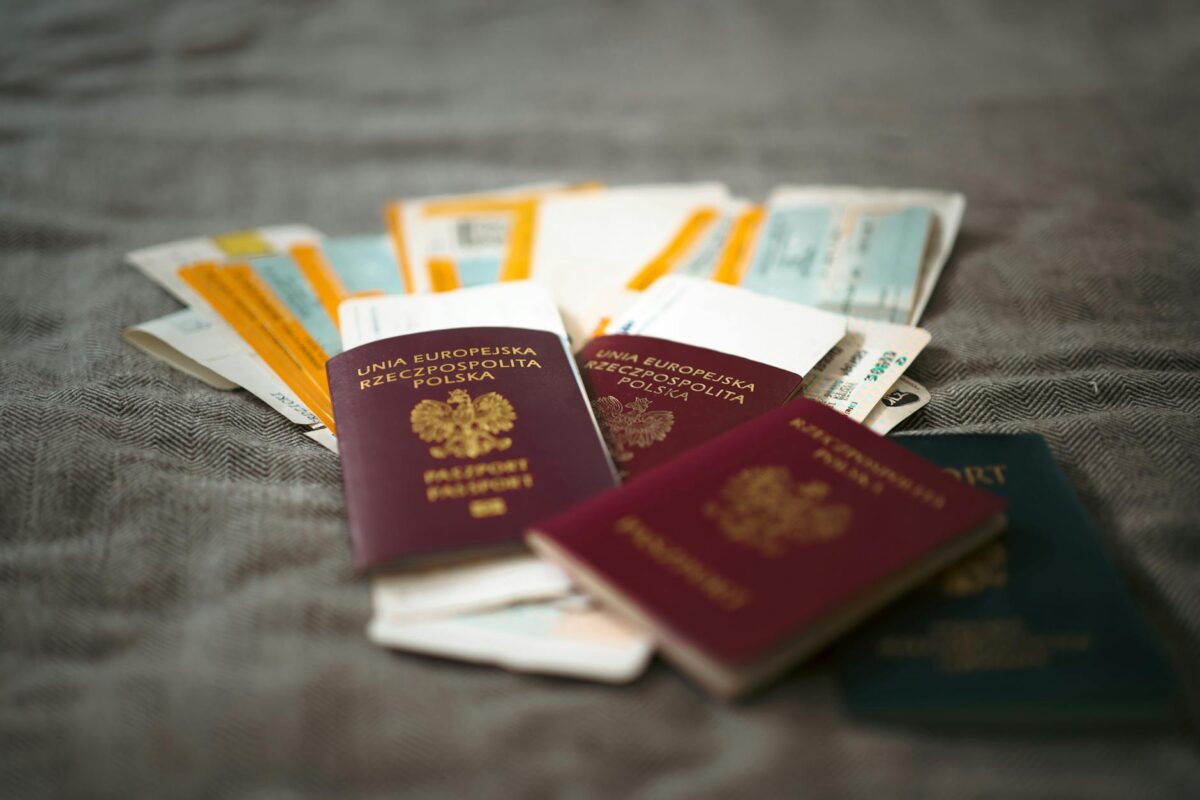
Divorce for immigrants involves a unique intersection of family law and immigration law. Ending a marriage is stressful for anyone. But when your legal status in the United States depends on that marriage, the stakes multiply. You may worry about deportation. You may fear losing custody of your children.
An abusive spouse may have used your immigration status as a weapon of control. These fears are valid, and they affect millions of people every year. The good news is that federal and state laws offer real protections. Whether you hold a dependent visa, a conditional green card, or are undocumented, you have legal options. This guide walks you through every major consideration so you can make informed decisions about your future. Divorce for immigrants does not have to mean the end of your life in America.
Understanding Divorce For Immigrants: Unique Challenges
The biggest challenge in divorce for immigrants is the link between marriage and legal status. Many immigrants enter the United States on dependent visas like the H-4 or L-2. These visas exist only because of the spouse’s primary visa. If the marriage ends, the dependent visa typically ends too. That means you could lose your work permit and your right to stay in the country simultaneously.
Conditional green card holders face a different problem. If you received your green card through marriage and have held it for less than two years, it is conditional. Normally, both spouses must jointly file Form I-751 to remove those conditions. Divorce complicates this process. However, you can file a waiver requesting that USCIS remove the joint filing requirement.
Language barriers, cultural isolation, and lack of family support add extra layers of difficulty. Many immigrants do not know their rights under American law. Some fear that contacting the courts or police will trigger immigration enforcement. Understanding that family courts generally do not report to immigration authorities is an important first step.
Special Laws and Protections
Federal law provides several critical protections for divorce for immigrants. The most important is the Violence Against Women Act (VAWA). Despite its name, VAWA protects all genders. It allows abused spouses of U.S. citizens or lawful permanent residents to self-petition for a green card. Your abusive spouse never needs to know you filed. USCIS will not contact them during the process.
As of December 2025, USCIS updated VAWA evidentiary standards. Self-petitioners must now demonstrate they resided with the abuser during the qualifying relationship. Additional documentation establishing the good-faith nature of the marriage is also required. Filing a complete petition from the start is critical because USCIS officers now have broader discretion to deny applications without issuing a Request for Evidence.
| Protection | Who Qualifies | Key Benefit |
|---|---|---|
| VAWA Self-Petition (I-360) | Abused spouses of U.S. citizens or LPRs | Independent green card path without abuser’s knowledge |
| I-751 Battered Spouse Waiver | Conditional residents who suffered abuse | Remove green card conditions without joint filing |
| I-751 Divorce Waiver | Conditional residents whose good-faith marriage ended | Keep green card after divorce |
| U-Visa | Victims of qualifying crimes including domestic violence | Legal status for up to 4 years, path to green card |
| T-Visa | Victims of human trafficking | Legal status, work authorization, path to residency |
The U-visa is especially important because it does not require your abuser to be a U.S. citizen or permanent resident. Any immigrant who is a victim of a qualifying crime and cooperates with law enforcement may apply. Divorce for immigrants who have experienced domestic violence often involves both family court and immigration proceedings running simultaneously.
Financial Considerations for Divorce For Immigrants
Property division in divorce for immigrants follows the same state laws that apply to all couples. Community property states split marital assets roughly equally. Equitable distribution states divide assets based on fairness. Your immigration status does not change your right to marital property. Courts cannot deny you your share because you are not a citizen.
Spousal support is another important consideration. If your spouse controlled the finances or prevented you from working, a judge may award you alimony. Dependent visa holders who lacked work authorization often have limited employment history. Courts recognize this disadvantage when calculating support. Document all financial contributions you made to the household, including unpaid labor.
Be aware of the public charge rule if you plan to apply for a green card in the future. Under current USCIS guidelines, receiving certain government benefits can affect your application. However, VAWA self-petitioners, U-visa holders, and T-visa holders are exempt from public charge grounds. Consult an immigration attorney before accepting or declining any public benefits during your divorce.
Step-by-Step Action Plan
If you are facing divorce for immigrants, take these steps in order. First, secure your important documents. Gather your passport, visa, I-94, work permit, green card, marriage certificate, and any USCIS receipts. Store copies in a safe location your spouse cannot access. If your spouse controls these documents, an attorney can help you obtain replacements.
Second, consult both a family law attorney and an immigration attorney. Divorce for immigrants requires expertise in two separate legal fields. Some attorneys specialize in both. Others work as a team. Ask specifically about how filing for divorce will affect your current immigration case. Third, if you are experiencing abuse, contact the National Domestic Violence Hotline at 1-800-799-7233. They offer services in over 200 languages.
Fourth, file your immigration petition before or at the same time as your divorce petition when possible. VAWA self-petitions can be filed while the marriage is still intact. The I-751 divorce waiver can be filed while divorce proceedings are pending. Timing matters because divorce for immigrants who wait too long may lose eligibility for certain protections. Fifth, document everything. Save text messages, photographs, financial records, and police reports. Strong evidence strengthens both your divorce case and your immigration case.
Common Mistakes to Avoid
The most dangerous mistake is assuming divorce automatically means deportation. Many immigrants stay in abusive marriages because of this fear. Federal law specifically protects you from this outcome in many situations. Do not let fear prevent you from exploring your options with a qualified attorney.
⚖️ Get Free Divorce Guides
Free · No spam · Unsubscribe anytime
Another common mistake is failing to file immigration paperwork on time. Conditional green card holders must file the I-751 within the 90-day window before their card expires. Missing this deadline can result in removal proceedings. If you are divorcing during this window, file the I-751 with a divorce waiver request immediately. USCIS will allow you to submit the final divorce decree later.
Do not sign any documents you do not understand. Divorce for immigrants sometimes involves a spouse pressuring them to sign agreements in English that waive important rights. Never sign a settlement agreement, prenuptial enforcement, or withdrawal of an immigration petition without your own attorney reviewing it first. Also avoid leaving the country during pending immigration or divorce proceedings without legal advice. Departure can trigger bars to reentry.
Finding the Right Attorney
Divorce for immigrants demands an attorney who understands both family law and immigration law. Start by contacting your local legal aid organization. Many offer free consultations for immigrants. The American Immigration Lawyers Association (AILA) maintains a searchable directory of immigration attorneys by state and specialty.
When interviewing attorneys, ask these questions. Have you handled divorce cases involving immigration status issues? Are you familiar with VAWA self-petitions and I-751 waivers? Can you coordinate with an immigration attorney if needed? Do you offer services in my language or use interpreters? A lawyer who has handled divorce for immigrants before will understand the urgency of timing immigration filings around divorce proceedings.
If cost is a barrier, look into nonprofit legal organizations that serve immigrants. Many receive federal funding to represent VAWA petitioners and domestic violence survivors at no cost. Your local bar association can also provide referrals to attorneys who offer sliding-scale fees based on income.
Frequently Asked Questions
Can I get divorced if I am undocumented?
Yes. Immigration status does not affect your right to file for divorce in any U.S. state. Family courts handle divorce based on residency requirements, not citizenship. You generally need to have lived in the state for a specific period, often six months to one year.
Will my spouse be deported if I file for divorce?
Filing for divorce does not automatically trigger deportation for either spouse. However, if your spouse’s immigration status depended on the marriage, they may need to take independent steps to maintain legal status. Family courts do not report to immigration authorities as a standard practice.
Can I still get a green card through VAWA if my divorce is already final?
Yes, but you must file your VAWA self-petition within two years of the divorce. You must also show a connection between the abuse and the end of the marriage. Gather your evidence and consult an immigration attorney as soon as possible after your divorce is finalized.
Get Help with Your Divorce
Divorce laws vary dramatically from state to state. A licensed family law attorney in your state can review your situation and explain your rights and options.
Official Sources & Resources
For verified family law information and legal help:
- State Court Self-Help: Search “[your state] court self-help” for free filing guides and forms
- NCSL Family Law: ncsl.org/family-and-human-services
- Child Support Enforcement: acf.hhs.gov/css
- Cornell Legal Information: law.cornell.edu/wex/family_law
- Find Legal Aid: lawhelp.org
Content last reviewed May 2026. This is general educational information, not legal advice. If you notice outdated information, please contact us.